
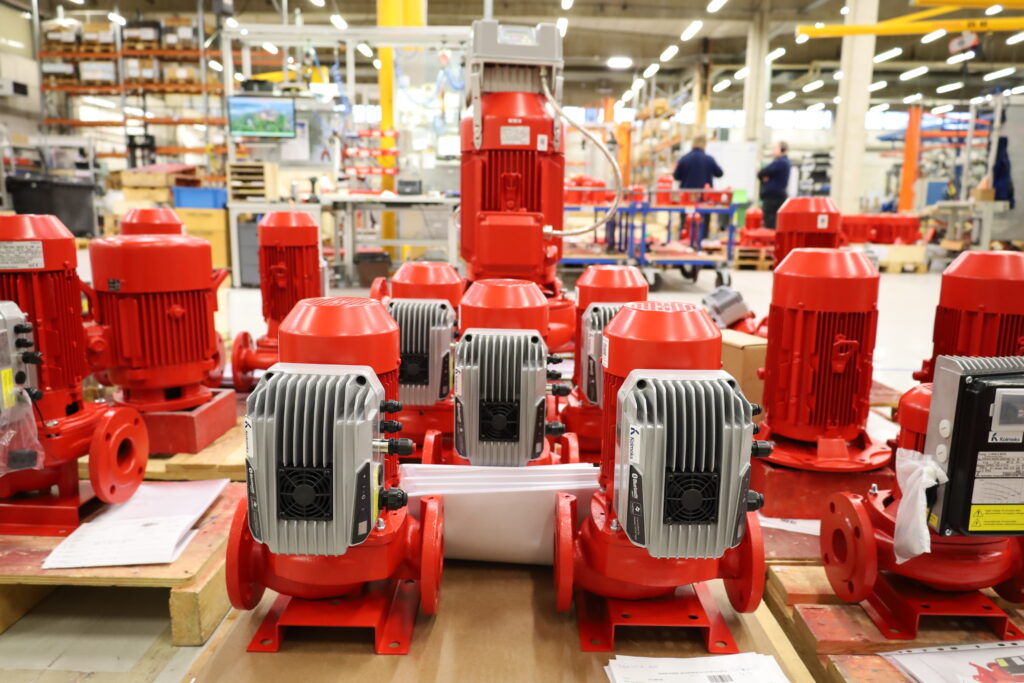
If the pumping world followed fashion alone, the variable speed pump would currently be the black suit. In the case of variable speed technology, however, it is even more than that – a variable speed pump brings new features that the market currently needs: energy savings, adjustability, adaptability and even data on flow rates and energy consumption.
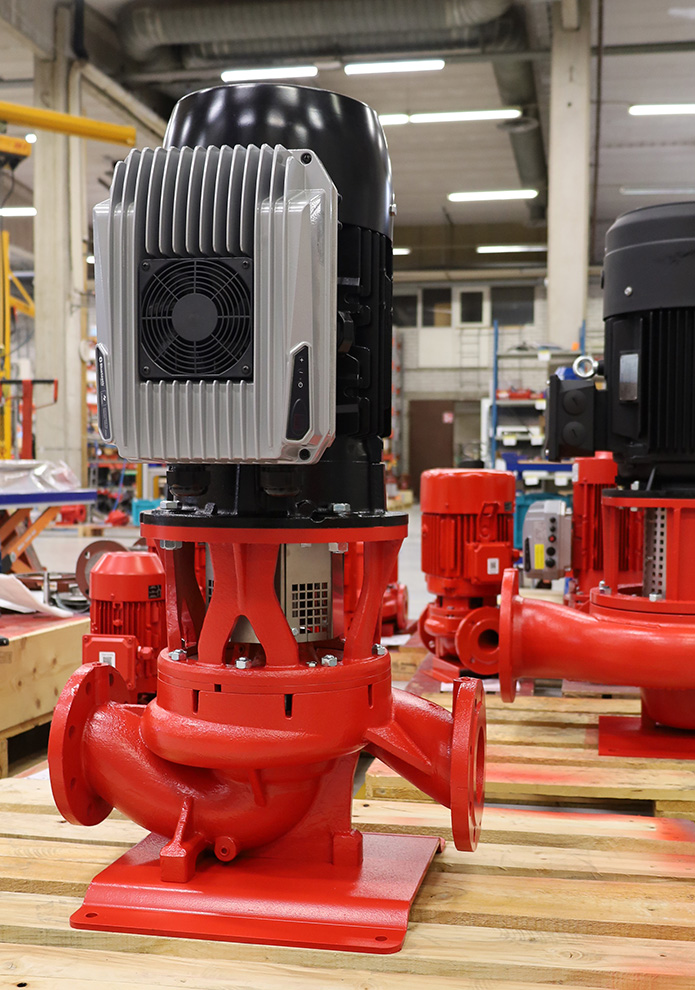
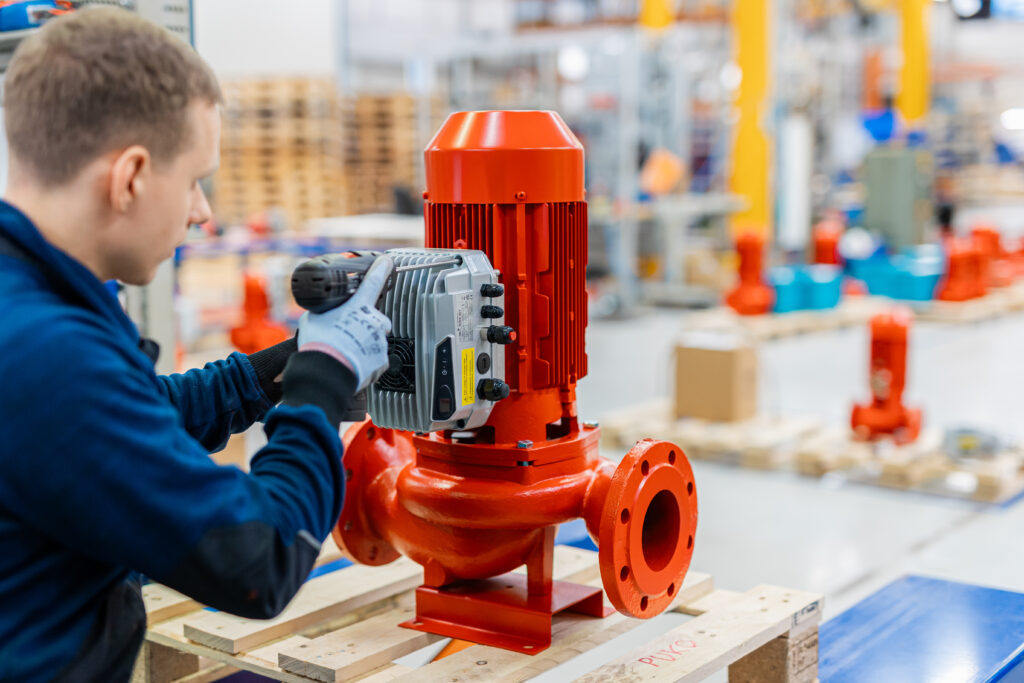
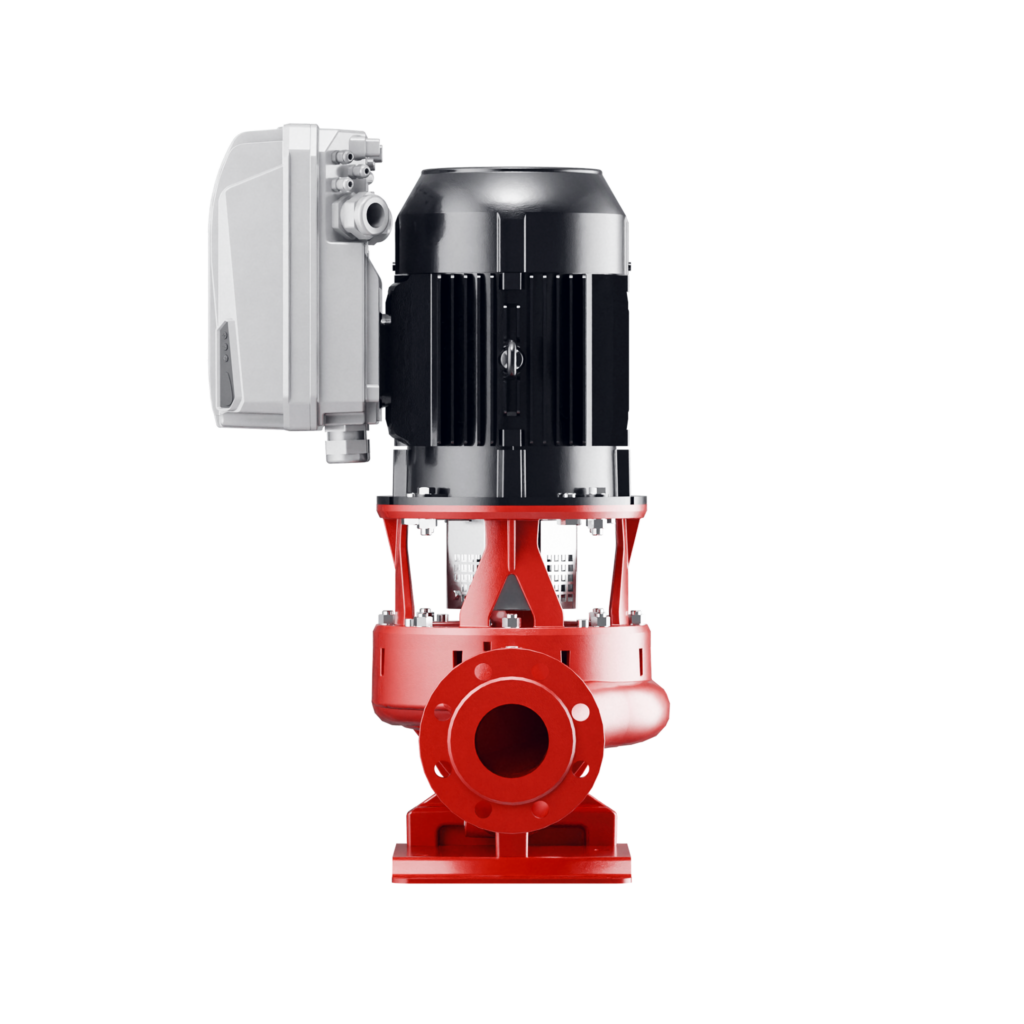
The most common reason for switching to a variable speed pump is energy savings.
A traditional constant-speed pump does its job reliably but stubbornly. The pump runs at a fixed speed even when less is needed – output is determined by the impeller, and the system is controlled by throttling valves. The solution is technically functional, but overall system efficiency suffers, and wear on the pump also in the piping network increases.
A variable speed pump handles this more intelligently by adjusting the motor speed directly according to actual demand. Even a small reduction in speed cuts energy consumption and therefore also lowers electricity costs.
Another reason is adjustability.
From the network’s point of view, a variable speed pump is also more forgiving. When the pump does not run continuously at a fixed speed and energy is not wasted unnecessarily through throttling, wear is reduced. At the same time, the process becomes calmer steadier. Pressure remains more stable, and the flow rate varies according to demand without sudden movements.
The result: fewer pressure spikes. This is reflected in a longer service life and fewer maintenance visits.
The third factor is usually noticeable through the senses.
Noise and vibration: a variable speed pump is often quieter when running at lower speeds, as noise and vibration are reduced. In practice, vibration means mechanical stress that affects bearings, seals and the shaft. Over time, vibration increases wear and can accelerate failure.
In pumping technology, noise is generated from several different sources. The first is hydraulic noise, meaning the rushing sound caused by the flow of liquid in the network. Because a variable speed pump runs according to actual demand – and therefore most often more quietly than a constant-flow pump – the flow velocity in the network remains lower, which means less noise is generated in the system.
The second source is mechanical noise, which occurs when the motor rotates at too high a speed in relation to the need. In the worst case, mechanical vibrations are transmitted into the network and may travel long distances through a building. More generally speaking, quieter and more even operation means less mechanical stress.
A constant-flow pump is still a perfectly valid choice for simple and steady needs. With a variable speed pump, energy consumption decreases, the need for maintenance is reduced and service life is extended. The investment often pays for itself surprisingly quickly.
Kirjoittajan esittely

Pontus Ekberg
Application Engineer
Turenki, Finland
Author introduction
Pontus Ekberg works at Kolmeks as an R&D Application Engineer in Kolmeks’ global product development team, focusing on frequency converter development. His work centers around researching, testing, and evaluating new technologies, devices, and solutions, as well as assessing their suitability for Kolmeks’ products and various customer applications. Pontus is responsible for the technical evaluation and validation of new devices and technologies and contributes to product development projects where future solutions’ technical requirements and performance are defined in collaboration with different stakeholders, suppliers, and partners.
Pontus’ areas of expertise include frequency converters, electric motor control, pump applications, and the practical implementation of new technologies. His key strengths are analytical problem-solving, designing and conducting measurements, and the ability to connect technical performance with practical application requirements and business needs.
Before joining Kolmeks, Pontus worked in project and engineering roles within the mechanical engineering and process industries. His experience includes development projects for modular energy production plants, environmental permitting processes, as well as the design and implementation of automation, instrumentation, and electrical solutions.